


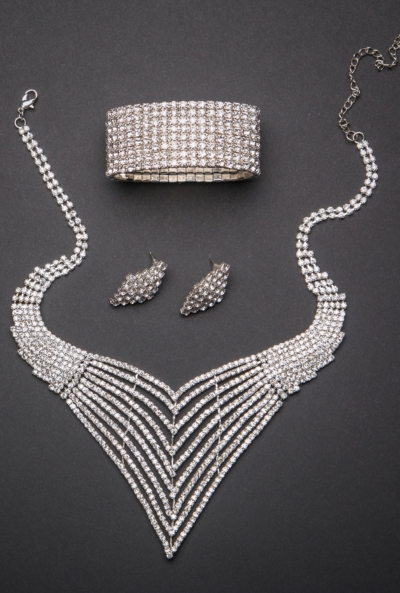


Jewellery making is an ancient art that spans thousands of years. From the earliest times, humans have sought to adorn themselves with decorative items made from a variety of materials. The earliest known jewellery was crafted from natural objects such as shells, bones, and stones. These primitive pieces were likely used for both aesthetic and symbolic purposes, indicating social status, group affiliation, or even spiritual beliefs.
As civilizations advanced, so did the complexity and craftsmanship of jewellery. The ancient Egyptians were particularly renowned for their intricate jewellery, which often featured gold and precious stones. They believed that jewellery had magical properties that could protect the wearer in the afterlife. Similarly, the Greeks and Romans made significant contributions to jewellery design, incorporating motifs from their mythology and daily life. The use of gemstones became more prevalent, and techniques such as engraving and enameling were developed.
The Middle Ages saw the rise of European jewellers, who were heavily influenced by the church and royalty. During this period, jewellery became an expression of wealth and power. The Renaissance brought a renewed interest in art and beauty, leading to an explosion of creativity in jewellery design. As trade routes expanded, new materials and techniques were introduced, further enriching the art of jewellery making. The Industrial Revolution in the 19th century marked another significant milestone, as machinery allowed for mass production and made jewellery more accessible to the general public.
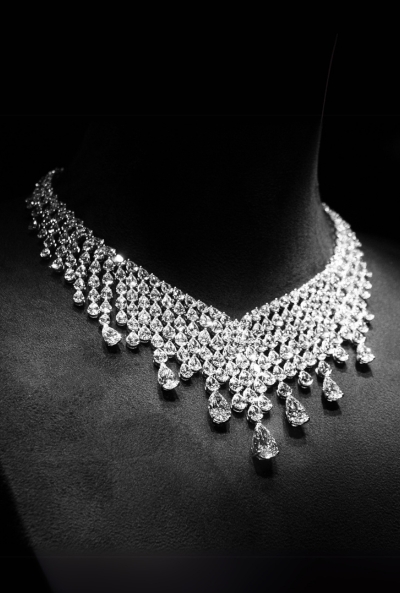
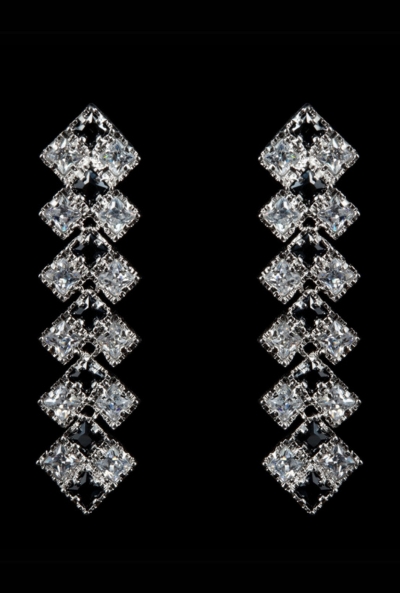
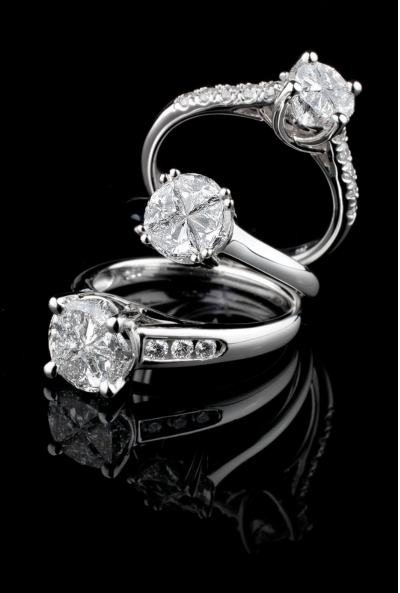
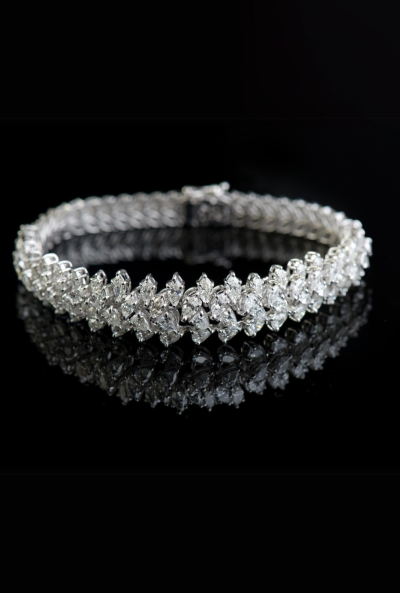
Jewellery comes in many forms, each serving different purposes and catering to various tastes. The most common types include rings, necklaces, bracelets, earrings, and brooches. Each of these categories can be further divided into subtypes, depending on their design and function. For example, rings can be engagement rings, wedding bands, or simply fashion rings. Similarly, necklaces can range from delicate chains to elaborate statement pieces.
Cultural significance also plays a crucial role in the diversity of jewellery. In some cultures, certain types of jewellery are worn during specific ceremonies or rites of passage. For instance, in Indian culture, the mangalsutra is a sacred necklace worn by married women. In many African cultures, beaded jewellery is not only decorative but also carries deep cultural meanings. These pieces are often used to convey messages about the wearer’s status, achievements, or heritage.
Materials used in jewellery also contribute to its diversity. Precious metals like gold, silver, and platinum are commonly used, but other materials such as wood, glass, and even plastic have their place in modern jewellery design. The choice of material can significantly influence the piece’s appearance, durability, and value. Gemstones add another layer of complexity and beauty, with each stone having its own unique properties and symbolism. From the timeless elegance of diamonds to the vibrant hues of sapphires and emeralds, gemstones enhance the allure of jewellery.
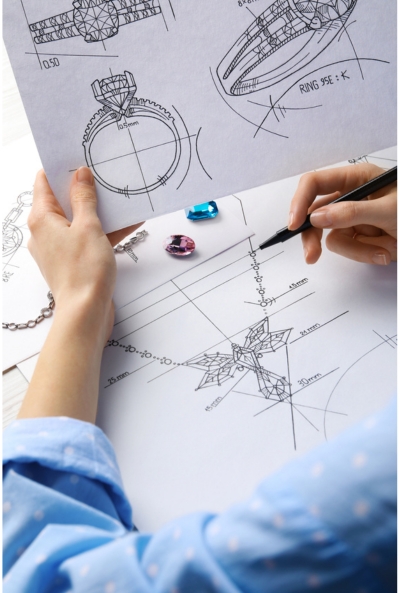
The journey of creating a piece of jewellery begins with an idea, often inspired by a designer’s vision or a client’s request. This concept is then translated into a detailed sketch or digital rendering, outlining the dimensions, materials, and overall design. This initial blueprint serves as the foundation for the entire manufacturing process.
Once the design is finalized, the next step is creating a model or prototype. This can be done using traditional techniques like carving wax models by hand or employing modern technology such as 3D printing. The prototype allows for any necessary adjustments to be made before moving on to the actual production. It also provides a tangible representation of the final piece, which can be used for marketing and approvals.
The crafting process involves several stages, including casting, setting, polishing, and finishing. In casting, the chosen metal is melted and poured into a mold to form the basic shape of the jewellery. Stone setting is a delicate task that requires precision to ensure the gems are securely placed and aligned correctly. Polishing and finishing bring out the shine and smoothness of the piece, enhancing its overall appearance. Throughout these stages, skilled artisans meticulously work to transform raw materials into exquisite pieces of jewellery.
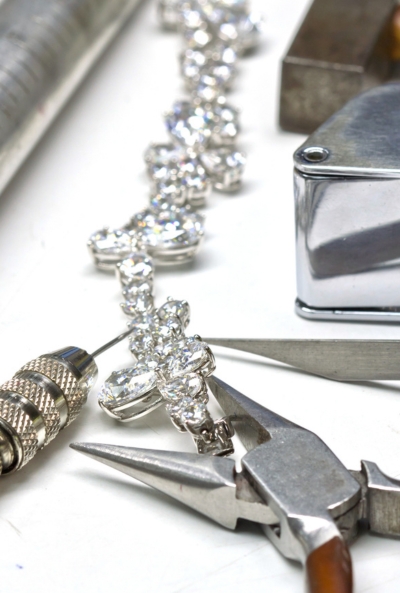
Jewellery crafting relies on a variety of tools and techniques, each essential to achieving the desired outcome. Traditional tools like hammers, pliers, files, and saws are staples in any jeweller’s workshop. These hand tools allow for precise shaping, cutting, and assembling of components. More advanced equipment, such as torches and soldering irons, are used for tasks like welding and melting metals.
Modern technology has also made significant inroads into jewellery manufacturing. Computer-Aided Design (CAD) software enables designers to create highly detailed and accurate digital models. These models can be directly used to produce prototypes through 3D printing, which offers greater flexibility and efficiency compared to traditional methods. Laser cutting and engraving machines provide even more precision, allowing for intricate designs that would be challenging to achieve by hand.
Techniques such as enameling, filigree, and granulation add unique textures and details to jewellery. Enameling involves fusing colored glass to metal surfaces, creating vibrant and durable designs. Filigree work uses fine wires to form delicate patterns, often resembling lace. Granulation involves affixing tiny metal beads to create intricate textures. These techniques require a high level of skill and patience, showcasing the artistry involved in jewellery making.
Design is the cornerstone of jewellery manufacturing, guiding every aspect of the creation process. A well-thought-out design not only enhances the aesthetic appeal of a piece but also ensures its functionality and wearability. The design process often begins with inspiration, which can come from various sources such as nature, art, history, or even personal experiences. Designers then translate these inspirations into sketches or digital renderings, considering factors like proportions, symmetry, and color combinations.
Collaborating with clients is another crucial aspect of jewellery design. Custom pieces require a deep understanding of the client’s preferences, style, and the significance of the piece. Designers often work closely with clients to refine the design, ensuring it aligns with their vision and meets their expectations. This collaborative process can involve several iterations, with each step bringing the design closer to its final form.
The choice of materials is also an integral part of the design process. Different metals and gemstones offer various properties and aesthetics, influencing the overall look and feel of the piece. Designers must carefully select materials that complement each other and enhance the design. Additionally, practical considerations such as durability, weight, and cost must be taken into account. A successful design strikes a balance between artistic expression and practical functionality, resulting in a piece that is both beautiful and wearable.
Sourcing high-quality materials is vital to the creation of exceptional jewellery. Precious metals like gold, silver, and platinum are commonly used for their beauty and durability. These metals are often sourced from mines around the world, with each region offering metals with unique properties. For instance, gold from different regions can vary in color due to the presence of other elements. Ethical sourcing practices have become increasingly important, with many jewellers opting for recycled metals or those mined under fair trade conditions.
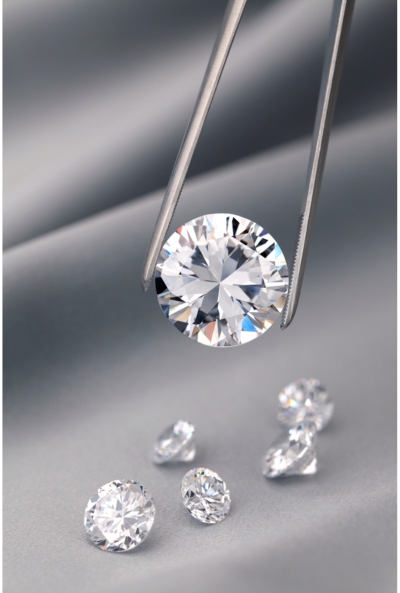
Gemstones are another critical component, adding color and sparkle to jewellery. Sourcing gemstones involves navigating a complex global market, with stones coming from diverse locations such as Africa, South America, and Asia. Each gemstone has distinct characteristics, including color, clarity, cut, and carat weight. These factors, collectively known as the “Four Cs,” determine the quality and value of the stone. Ethical considerations are also paramount in gemstone sourcing, with growing demand for conflict-free and sustainably mined stones.
In addition to metals and gemstones, other materials like pearls, enamel, and ceramics are used to create unique and innovative designs. Pearls, whether natural or cultured, add a touch of elegance and sophistication to jewellery. Enamel offers vibrant colors and intricate patterns, while ceramics provide a modern and artistic flair. The choice of materials significantly impacts the design, craftsmanship, and overall appeal of the final piece, making sourcing a crucial aspect of jewellery manufacturing.
Ensuring the highest quality standards is essential in jewellery production. Quality control involves a series of checks and inspections at various stages of the manufacturing process. This begins with the selection of raw materials, ensuring that only the finest metals and gemstones are used. Each material is carefully inspected for defects or impurities that could affect the final product’s integrity and appearance.
During the crafting process, artisans continuously monitor their work to maintain precision and consistency. Techniques like casting, setting, and polishing require meticulous attention to detail, as even minor errors can compromise the quality of the piece. Regular inspections help identify and address any issues promptly, preventing costly mistakes and ensuring the final product meets the desired standards.
Once the piece is completed, it undergoes a final round of quality checks. This includes verifying the accuracy of the design, ensuring the stones are securely set, and examining the overall finish. Any imperfections are corrected, and the piece is polished to a high shine. Quality control not only guarantees the craftsmanship and durability of the jewellery but also builds trust with customers. A commitment to excellence ensures that each piece is a true work of art, worthy of being cherished for generations.
The jewellery industry is constantly evolving, with new trends emerging and shaping consumer preferences. One notable trend is the growing demand for personalized and custom-made jewellery. Customers are increasingly seeking unique pieces that reflect their individuality and personal stories. This trend has led to a rise in bespoke services, where designers work closely with clients to create one-of-a-kind pieces tailored to their specifications.
Sustainability and ethical practices have also become significant trends in the industry. Consumers are more conscious of the environmental and social impact of their purchases, driving demand for ethically sourced and eco-friendly materials. Many jewellers are adopting sustainable practices, such as using recycled metals, conflict-free gemstones, and environmentally responsible manufacturing processes. This shift towards sustainability not only benefits the planet but also appeals to a growing segment of socially responsible consumers.
Another trend is the integration of technology in jewellery design and manufacturing. Innovations like 3D printing, laser cutting, and CAD software have revolutionized the industry, enabling more intricate and precise designs. These technologies also streamline production, reducing costs and lead times. Additionally, digital platforms and e-commerce have transformed how consumers shop for jewellery, offering greater convenience and access to a wider range of designs. As technology continues to advance, it will undoubtedly play an even more significant role in shaping the future of the jewellery industry.


